- Endorsement FP5307 06-25, “Limitation – Bodily Injury Redefined,” doesn’t add an exclusion. It deletes the standard definition of “bodily injury” and replaces it with a narrower one.
- The new definition drops injury, sickness and emotional distress tied to actual, anticipated, expected or feared genetic and epigenetic changes, and drops medical monitoring for anyone without a confirmed diagnosis.
- On this policy it applies to the contractor’s pollution liability coverage as well as the CGL, which is the coverage built for exposure claims.
- If you place or approve environmental contractors, read Section V – Definitions as carefully as the exclusions.
The review habit that misses this endorsement
Risk managers, contractors and brokers who look past the certificate of insurance tend to share one habit. They open the schedule of forms and scan for the scary words: Absolute, Exclusion, Limitation.
That instinct makes sense. Most coverage is taken away by exclusions. But some of the most effective coverage cuts don’t exclude anything. They change what a word means, and every coverage grant that uses that word shrinks with it.
This week’s example comes from a policy issued to a contractor that performs asbestos and mold abatement.
What the “Bodily Injury Redefined” endorsement actually does
Here is the endorsement as it appears on the policy:
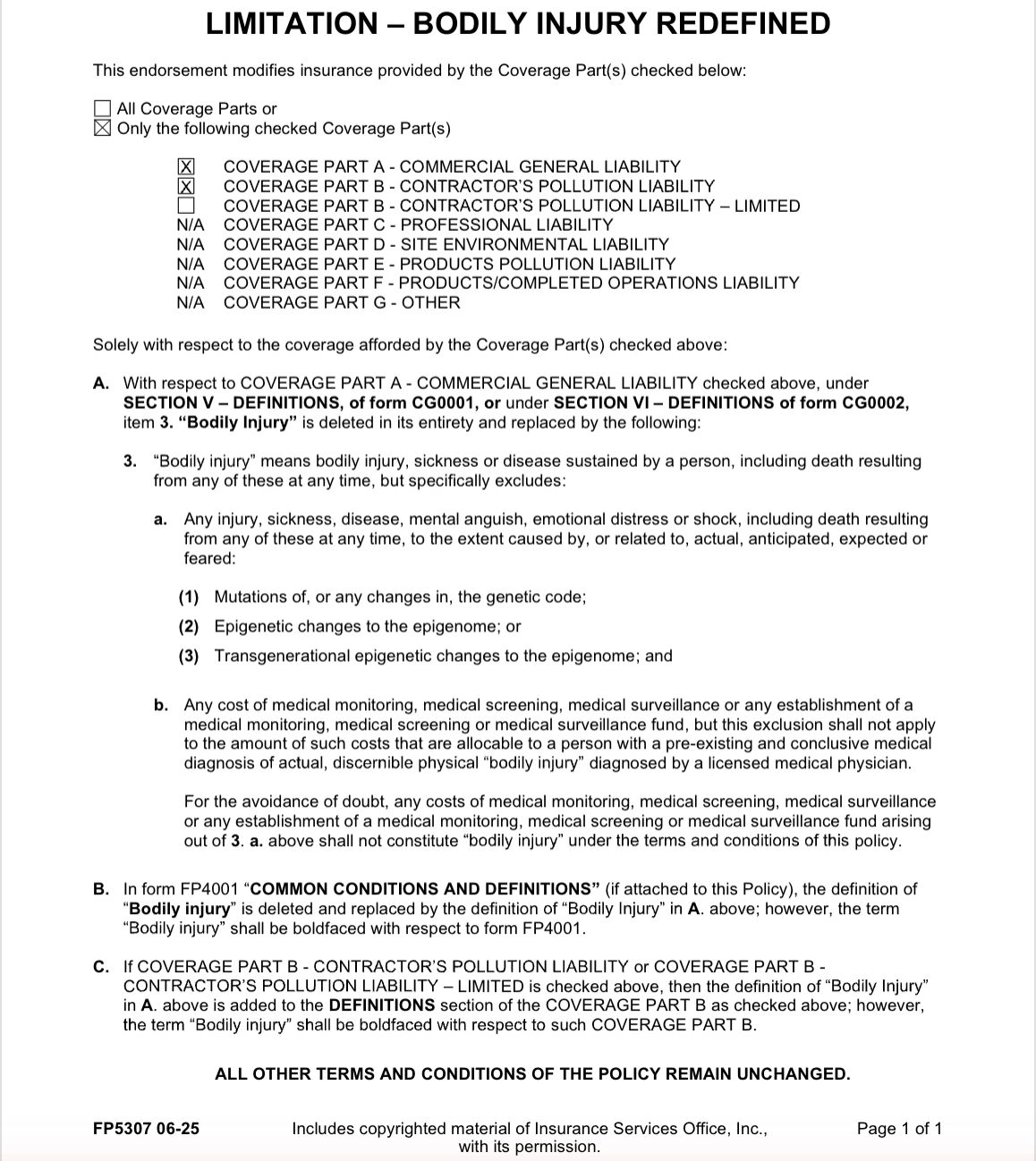
Under a standard CGL form (ISO CG 00 01), “bodily injury” is defined in Section V – Definitions, item 3 as bodily injury, sickness or disease sustained by a person, including resulting death. FP5307 deletes that definition “in its entirety” and replaces it with one that keeps the same opening sentence, then adds the words “but specifically excludes.” Two things follow.
1. Genetic and epigenetic harm, including fear of it (item 3.a)
The new definition removes any injury, sickness, disease, mental anguish, emotional distress or shock, including death, to the extent it is caused by or related to actual, anticipated, expected or feared:
- mutations of, or changes in, the genetic code;
- epigenetic changes to the epigenome; or
- transgenerational epigenetic changes to the epigenome.
The word doing the most work is “feared.” A claimant doesn’t need a proven genetic change for the exclusion to bite. Anxiety about one is enough.
2. Medical monitoring without a diagnosis (item 3.b)
The definition also removes the cost of medical monitoring, screening or surveillance, and the cost of setting up a monitoring fund. The only carve-back is for costs allocable to a person who already has a conclusive diagnosis of actual, discernible physical injury from a licensed physician. A “for the avoidance of doubt” sentence then confirms that monitoring costs arising from item 3.a are not bodily injury at all.

Approving environmental subs? See how Billy flags coverage gaps before a sub ever reaches your jobsite.
Book a demoWho actually sues an abatement contractor?
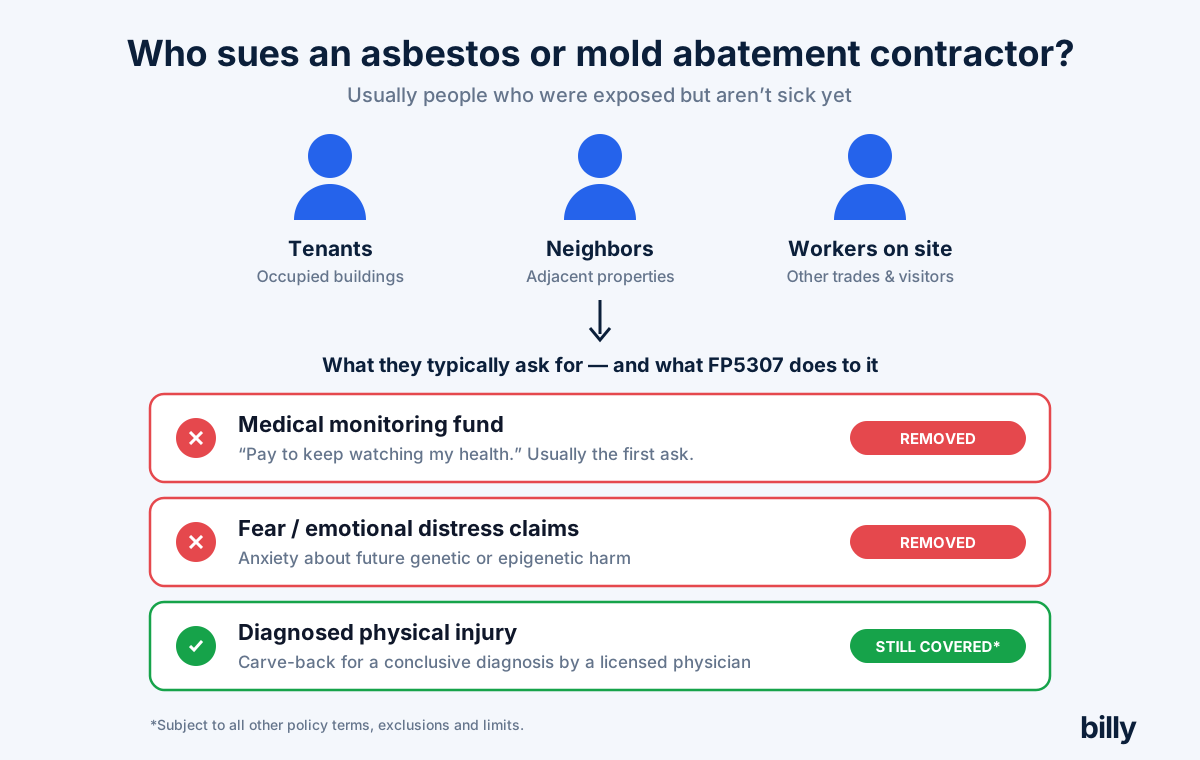
Most people who see this endorsement won’t think much about it. Genetic code and transgenerational epigenetics sound remote from a jobsite. Now think about who files suit against an asbestos or mold abatement contractor.
Usually it’s tenants, neighbors, or workers from other trades who were exposed during the work and aren’t sick yet. Because they have no diagnosis, their first ask is often for someone to pay to keep watching their health: a medical monitoring program or fund. That claim usually travels with a second one for the anxiety of not knowing what the exposure did to them.
Under FP5307, both are gone.
Why it matters that it hits the pollution coverage
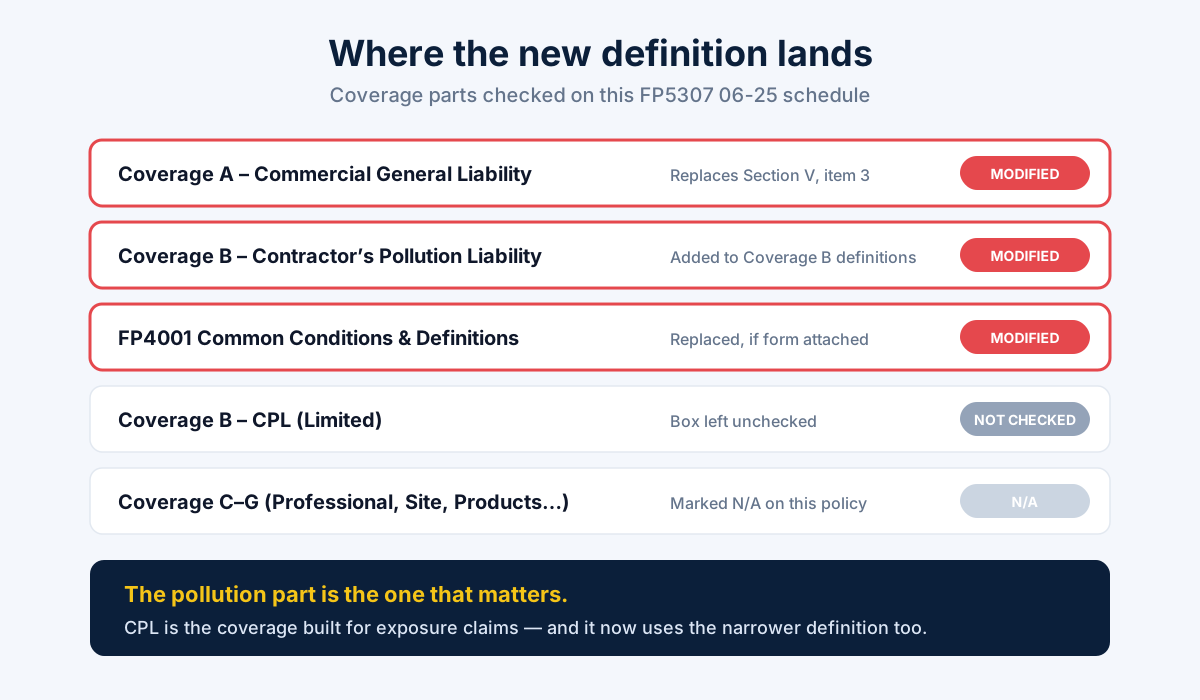
A narrower definition on a CGL would be notable but not shocking, since most CGL policies already carry a broad pollution exclusion. What stands out on this schedule is that Coverage Part B – Contractor’s Pollution Liability is checked too.
Contractors pollution liability (CPL) exists to fill the gaps that pollution exclusions leave in a contractor’s liability program. For an abatement contractor, it is the coverage built for exactly this kind of exposure. Paragraph C of the endorsement adds the new definition to the Coverage B definitions, and paragraph B replaces it in the common conditions form (FP4001) if that form is attached.
| Claim type | Standard definition | After FP5307 |
|---|---|---|
| Diagnosed physical injury from exposure | Within “bodily injury” | Within “bodily injury” (subject to other terms) |
| Medical monitoring, no diagnosis | Depends on jurisdiction and wording | Removed |
| Fear or anxiety of future genetic or epigenetic harm | Depends on jurisdiction and wording | Removed |
| Monitoring fund for an exposed group | Depends on jurisdiction and wording | Removed |
How to review policy definitions, not just exclusions
Exclusions get read. Definitions get skimmed. If you place, approve or prequalify environmental contractors, read Section V as carefully as you read the exclusions. Here’s a simple routine.
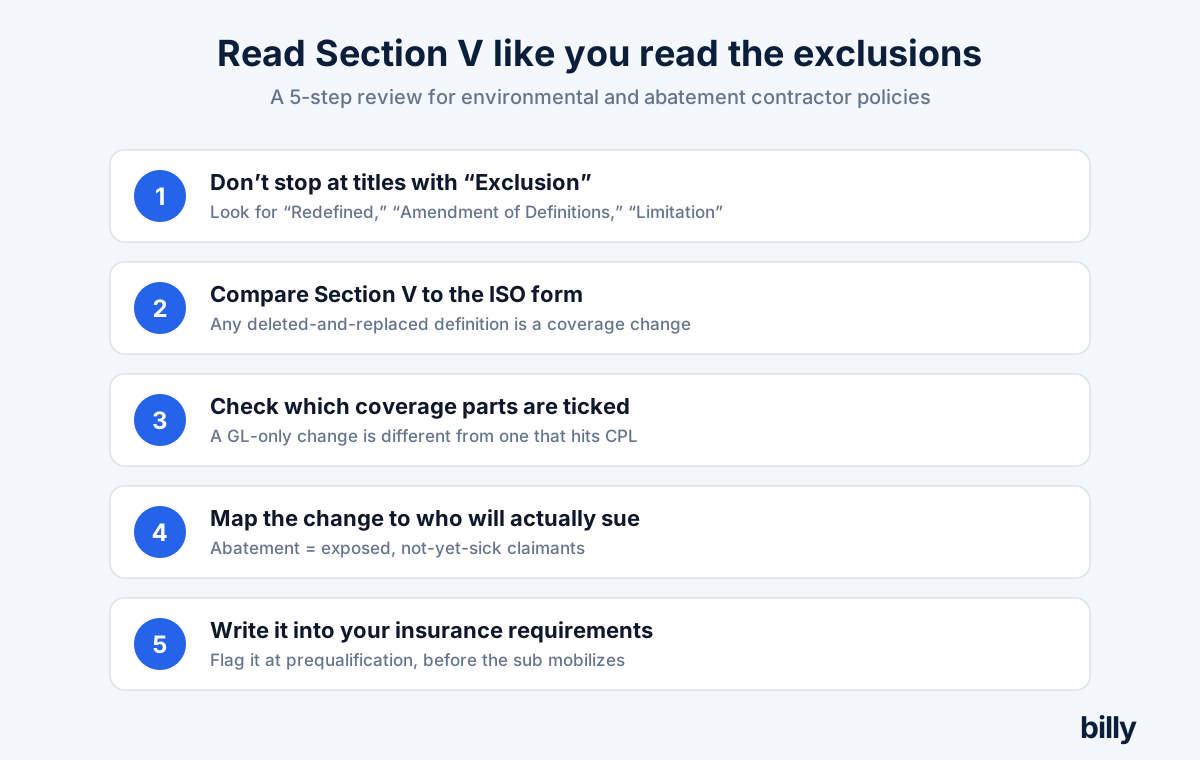
- Read every title on the schedule of forms. “Redefined,” “Amendment of Definitions” and “Limitation” deserve the same attention as “Exclusion.”
- Compare Section V against the standard ISO form. Any definition that is deleted and replaced is a coverage change, even if no exclusion is added.
- Check which coverage parts are ticked. A change limited to the CGL is very different from one that reaches the CPL.
- Map the change to the people most likely to sue. For abatement work, that means exposed claimants who aren’t sick yet.
- Put it in your insurance requirements. If a form like this is unacceptable on your projects, say so in your subcontract requirements and catch it during construction insurance compliance review, not after a claim.
A certificate of insurance won’t show you any of this. A COI tells you a pollution policy exists and what its limits are. It doesn’t tell you what “bodily injury” means inside it. That’s why GCs and owners pair COI tracking with policy-level requirements and a review process that surfaces endorsements, which Billy’s AI Review Assistant is built to support.
Stop finding coverage gaps after the claim
Billy collects and reviews subcontractor insurance against your requirements, syncs vendors from Procore, and keeps every project audit-ready.
Book a demo of BillyFrequently asked questions
What is a “Bodily Injury Redefined” endorsement?
It’s an endorsement that deletes a policy’s standard definition of “bodily injury” and replaces it with a narrower one. Because coverage grants, limits and other provisions rely on that defined term, narrowing the definition reduces coverage everywhere the term is used, without adding a traditional exclusion.
Does FP5307 remove coverage for medical monitoring?
On the form shown here, yes, for anyone without a pre-existing, conclusive diagnosis of actual physical injury from a licensed physician. Costs tied to feared genetic or epigenetic changes are expressly stated not to be bodily injury.
Does it affect contractors pollution liability coverage?
It can. The endorsement lets the carrier check which coverage parts it applies to. On this policy, Coverage Part B – Contractor’s Pollution Liability is checked, so the narrower definition applies to the pollution coverage as well as the CGL.
Why does this matter for asbestos and mold abatement contractors?
Claims against abatement contractors often come from tenants, neighbors and workers who were exposed but aren’t yet sick. Those claimants typically seek medical monitoring and damages for fear of future illness, the two categories this definition removes.
Can a certificate of insurance show this endorsement?
No. A COI shows policy types, numbers, dates and limits. To see changes like this you need the policy forms or the schedule of forms, which is why GCs increasingly request them during subcontractor prequalification.
Want to see how other GCs handle environmental sub compliance in Procore?
Get a live demoMore from the blog: Subcontractor Compliance & Prequalification in Procore · Subcontractor Bonding Capacity: Why Tracking COIs Isn’t Enough · All resources
This article is for general educational purposes and is not legal or insurance advice. How any endorsement applies depends on the full policy, the facts of a claim and the governing jurisdiction. Talk to your broker or coverage counsel about your specific program.